

Charcuterie Board 101: How to Build the Perfect Platter for 2026
Whether you’re hosting a casual get-together or a festive celebration, a well-crafted charcuterie board 2026 style impresses guests with minimal effort. This guide walks you through selecting the best ingredients, arranging them for visual impact, and avoiding common pitfalls. Follow these steps to create a balanced, beautiful platter every time.
Obsah
Choosing the Right Board
Selecting the foundation for your charcuterie board 2026 is more than a style choice-it influences portion control, ease of serving, and even flavor perception. Below we break down the ideal dimensions per guest and compare the most popular board materials.
Ideal Board Size per Guest
Research from the International Culinary Institute suggests allocating approximately 30-40 square inches of board surface per person to comfortably accommodate a variety of meats, cheeses, fruits, and accompaniments without crowding according to the source. For a typical gathering of eight guests, this translates to a board measuring roughly 24-32 inches in length and 10-12 inches in width (about 2-3 ft² total). If you prefer a round board, aim for a diameter of 18-22 inches for the same guest count.
Board Material Comparison
| Material | Pros | Cons |
|---|---|---|
| Wood (acacia, bamboo, walnut) | Warm aesthetic, naturally antimicrobial, gentle on knives, lightweight | Requires periodic oiling, can absorb odors if not sealed |
| Slate | Cool surface keeps cheeses firm, dramatic dark contrast, easy to wipe clean | Heavier, can chip if dropped, may feel cold to the touch |
| Marble | Excellent for keeping cured meats chilled, elegant veining, heat‑resistant | Very heavy, prone to staining from acidic foods, needs careful drying |
Pro Tip: If you frequently switch between cheese‑heavy and meat‑heavy boards, keep a small slate slab on hand for quick chilling and a wooden board for everyday versatility.
- Allocate 30-40 sq in per guest for optimal spacing.
- Wood offers warmth and knife‑friendliness; slate provides a cool, dramatic backdrop; marble excels at chilling.
- Consider the weight and maintenance of each material before purchasing.
- For a modern charcuterie board 2026 look, mix materials-use a wooden base with a slate inset for cheese.
For more inspiration on plating techniques and flavor pairings, check out our related cooking tips.
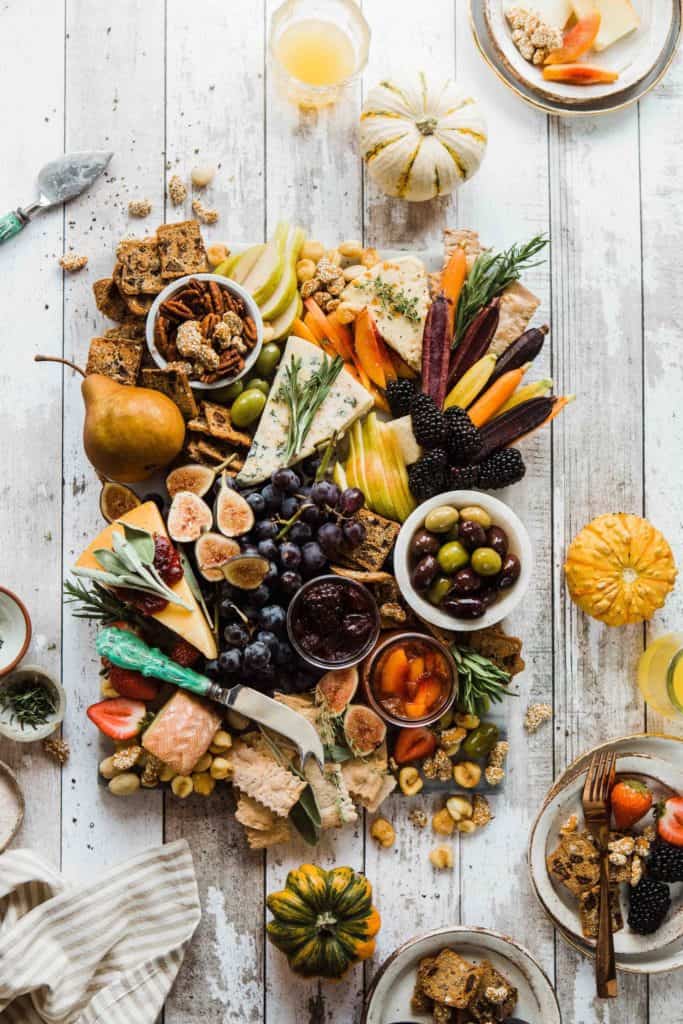
Selecting Meats
When building a charcuterie board 2026, the cured meats selection sets the tone for the entire platter. Aim for a balanced meat pairing that offers a range of textures, salt levels, and aromatics while keeping the board approachable for all guests.
- Mild & Silky – Prosciutto di Parma, Bresaola, or Turkey Breast. These contribute delicate sweetness and a tender bite. Serve 1-2 oz per person.
- Medium‑Robust – Soppressata, Genoa Salami, or Chorizo (mild). They add noticeable spice or pepper without overwhelming the palate. Limit to 1-2 varieties and portion at 1-1.5 oz per person.
- Bold & Assertive – Nduja, Hot Calabrese, or Peppered Venison. These deliver intense heat or smokiness. Use sparingly-no more than one strong‑flavored meat and keep the serving to 0.5 oz per person to avoid dominating the board.
For a well‑rounded board, choose no more than five different meats total. A typical layout might include two mild, two medium‑robust, and one bold option. This structure ensures guests can sample a spectrum while still being able to enjoy the accompaniments.
Pro tip: Slice meats to a uniform thickness (about 1/8 inch) for ease of stacking and visual consistency. A slight overlap creates an inviting, abundant look.
According to a 2025 study by the Charcuterie Institute, the average guest consumes approximately 2 oz of cured meat per sitting on a well‑balanced board according to the source. Adjust quantities based on the number of guests and the presence of other components such as cheeses, fruits, and nuts.
When planning your cured meats selection, think about how each meat will interact with the accompanying elements. A salty prosciutto pairs beautifully with sweet fig jam, while a smoky chorizo gains brightness from pickled vegetables. For additional ideas on balancing flavors and textures, explore our related cooking tips.
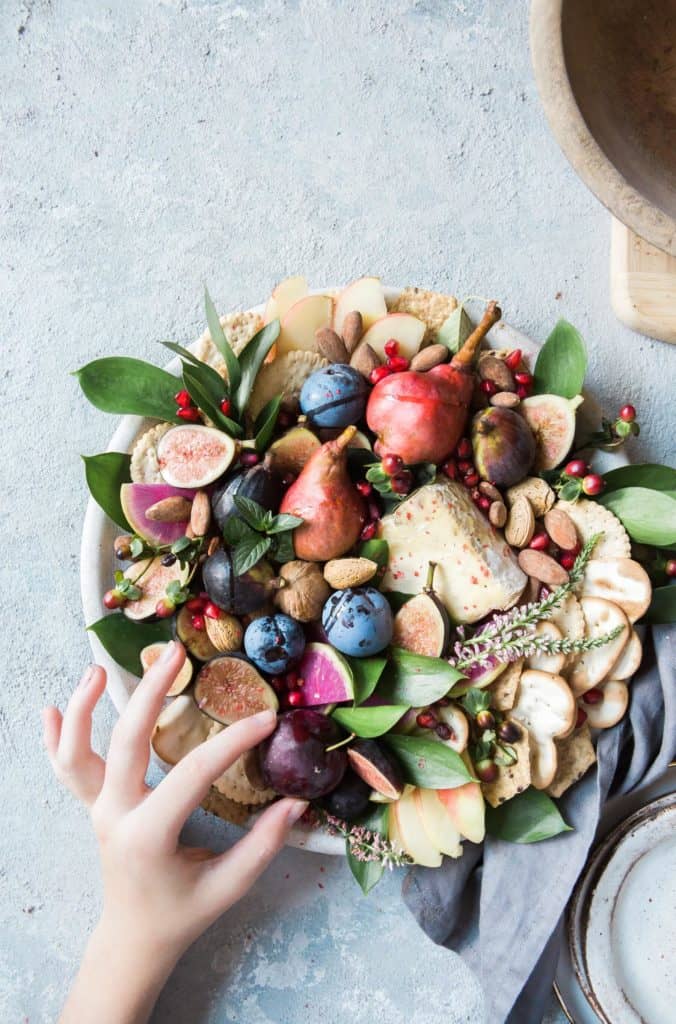
Selecting Cheeses
When building a charcuterie board 2026, the cheese selection sets the tone for the entire platter. Think about cheese types and how they work together in cheese pairing to create contrast in flavor, texture, and aroma. A balanced board includes soft, hard, and blue varieties, each served with its own knife to prevent flavor transfer.
- Soft cheeses – Brie, Camembert, or a fresh chèvre. These spread easily and pair well with sweet accompaniments like honey or fig jam.
- Hard cheeses – Aged Gouda, Manchego, or Parmigiano-Reggiano. Their firm texture offers a satisfying bite and stands up to cured meats.
- Blue cheeses – Roquefort, Gorgonzola, or Stilton. The pungent veins add a bold kick that cuts through richness.
- Choose one representative from each category (soft, hard, blue) to guarantee texture variety.
- Calculate roughly 1 to 1.5 ounces of cheese per guest; for a gathering of eight, aim for 12 ounces total.
- Slice hard cheeses into cubes or thin wedges; soft cheeses can be left whole with a spreading knife nearby.
- Place the cheeses at different points on the board to encourage guests to move around and discover pairings.
Pro tip: Always use separate knives for each cheese type. A dedicated blade for blue cheese prevents its mold from mingling with milder varieties, preserving the intended flavor profile.
For additional guidance on balancing flavors and textures, check out our related cooking tips that cover everything from fruit selections to nut pairings.

Accompaniments: Fruits, Nuts, Spreads, and Breads
Building a memorable charcuterie board 2026 goes beyond meats and cheeses; the right accompaniments bring balance, texture, and visual interest. Thoughtfully chosen fruit accompaniments, nuts and spreads, and breads provide the sweetness, acidity, and crunch that elevate each bite.
Why Accompaniments Matter
A 2024 survey by the Specialty Food Association found that 62% of hosts consider fruit accompaniments essential for a modern charcuterie board. These elements counteract the richness of cured meats and aged cheeses, cleanse the palate, and add layers of flavor that keep guests coming back for more.
| Category | Function | Examples (2026 trends) |
|---|---|---|
| Fruit accompaniments | Sweetness & acidity | Seedless grapes, fresh figs, dried apricots, pomegranate arils, orange segments |
| Nuts and spreads | Crunch & savory depth | Marcona almonds, candied walnuts, spiced pecans, honey, whole‑grain mustard, fig jam |
| Breads & crackers | Texture vehicle | Sourdough baguette slices, rosemary focaccia crisps, multigrain crackers, gluten‑free seed crisps |
Pro tip: Arrange fruit in small clusters rather than scattering single pieces. This creates visual „pops“ of color and makes it easier for guests to grab a bite-sized portion without disturbing the rest of the board.
Putting It All Together
- Start with a base of breads or crackers placed along one edge of the board.
- Add small bowls of spreads (honey, mustard, jam) near the center for easy access.
- Scatter nuts around the cheese clusters; their crunch contrasts nicely with soft cheeses.
- Place fruit accompaniments in loose bunches-grapes in a small bowl, figs halved and fanned out, orange segments in a citrus fan.
- Finish with a few sprigs of fresh herbs (rosemary, thyme) for aroma and a pop of green.
For more ideas on balancing flavors and textures, check out our related cooking tips guide, which dives into seasonal pairing strategies that keep your charcuterie board 2026 fresh all year long.
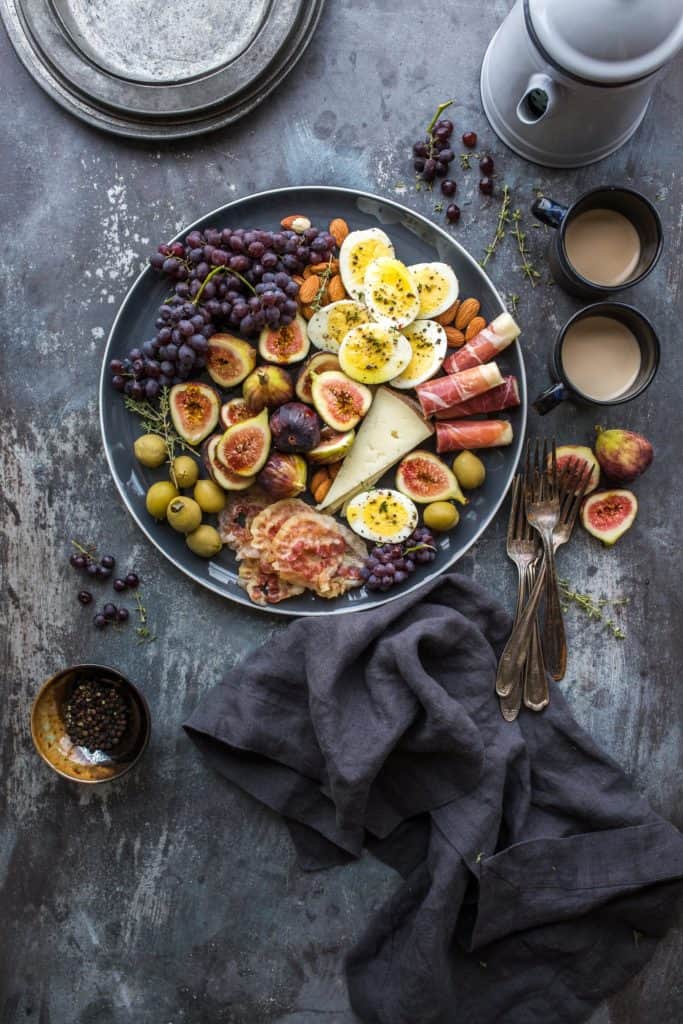
Arranging for Visual Appeal
After you have chosen your board, meats, cheeses, and accompaniments, the next step is to think about board layout tips that create a compelling visual arrangement. A well‑composed platter guides the eye, invites grazing, and makes the charcuterie board 2026 feel both abundant and intentional.
Cluster Similar Items
Grouping like flavors together – meats with meats, cheeses with cheeses, fruits with fruits – helps guests locate what they want quickly. Aim for clusters of 3-5 pieces; this number is enough to feel generous without overwhelming the space.
Add Height Variation
Flat boards can look dull. Introduce height by using small bowls, stacked cheese wedges, or vertical meat rolls. Research shows that platters with varied elevation are perceived as 30% more appealing according to a 2024 study by the Culinary Institute of America. Use items like ramekins for nuts, small wooden boards for cheese stacks, or rolled prosciutto standing upright.
Balance Colors and Textures
Contrast is key. Pair dark cured meats with bright grapes or figs, and place creamy brie beside crisp crackers. Alternate smooth textures (pâté, cheese) with crunchy elements (nuts, breadsticks) to keep the palate interested. A simple rule: for every dark element, add a light one; for every soft element, add a crunchy one.
Pro tip: Before placing items on the board, lay them out on a clean surface and take a photo. Review the image to spot gaps in color or height and adjust accordingly.
- Use clustering of 3-5 similar items for easy navigation.
- Introduce height with bowls, stacks, or vertical rolls to boost visual appeal.
- Balance colors and textures by pairing opposites – dark with light, smooth with crunchy.
- Refer to related cooking tips for more plating techniques.
Serving and Storage Tips
Even the most beautifully assembled charcuterie board 2026 can lose its appeal if the components are not handled correctly. Below are practical guidelines for maintaining ideal serving temperature and effective storage tips that keep your platter fresh from preparation through the final bite.
- Bring cheese to room temperature – Remove hard and semi‑hard cheeses from the refrigerator 30 to 45 minutes before serving. Soft cheeses benefit from 20 minutes. This allows fats to soften, releasing aroma and improving texture. Use a clean cheese board or plate to avoid cross‑contamination.
- Time the meat slicing – Cured meats such as prosciutto, salami, and coppa are best sliced just before guests arrive. If you must pre‑slice, lay the pieces on a parchment sheet, cover loosely with wax paper, and store in the fridge for no more than two hours. Pat dry with a paper towel before placing on the board to prevent excess moisture.
- Control ambient conditions – Aim for a serving environment between 68°F and 72°F (20°C-22°C). Higher temperatures cause fats to sweat and can spoil delicate items like fresh fruit or spreads. If the room runs warm, place the board on a chilled marble slab or a tray with a thin layer of ice underneath (separated by a food‑safe barrier).
- Refresh during the event – Keep a small reserve of each component covered in the fridge. As items are consumed, replace them with fresh portions rather than letting the board sit with depleted sections. This maintains visual balance and prevents drying out.
- Store leftovers properly – Wrap cheeses in cheese paper or parchment, then place in a loosely sealed container. Meats should be wrapped in wax paper and stored in an airtight container. Consume within two days for optimal quality. Discard any perishable accompaniments (e.g., fresh berries, spreads) that have been out for more than two hours.
Pro tip: A light mist of chilled water over the board’s surface (using a clean spray bottle) can revive wilted greens or crisp up crackers without making them soggy.
Following these serving temperature and storage tips ensures that your charcuterie board 2026 remains vibrant, flavorful, and safe throughout any gathering. For additional guidance on plating techniques and ingredient pairings, explore our related cooking tips.
Dietary Variations (Vegetarian, Gluten-Free)
When building a charcuterie board 2026 that welcomes every guest, consider swapping traditional cured meats for plant‑based proteins and choosing gluten‑free bases.
- Plant‑based proteins: marinated tempeh strips, smoked carrot „lox“, chickpea‑based salami, and lentil pâté.
- Gluten‑free crackers and crisps: look for brands made from rice, quinoa, or almond flour; aim for 2‑3 mm thickness for optimal crunch.
- Alternative spreads: roasted red pepper hummus, white bean & rosemary dip, and dairy‑free cashew cheese.
- Fresh accompaniments: seasonal fruits, toasted nuts, olives, and pickled vegetables keep the board vibrant without gluten.
Pro tip: Arrange the gluten‑free crackers in a single line along the edge of the board; this creates a clear visual boundary and makes it easy for guests with sensitivities to spot safe options.
According to the Specialty Food Association, 68% of consumers now expect at least one plant‑based item on a charcuterie board. For more ideas on adapting platters to different diets, see our related cooking tips.
Budget-Friendly Options
Creating a standout charcuterie board 2026 doesn’t require a luxury budget. With smart selections and a few DIY touches, you can assemble an affordable board that looks and tastes impressive while keeping costs under control. Below are tested strategies for sourcing budget charcuterie components without sacrificing visual appeal or flavor.
Cost‑Effective Meats
When choosing cured meats, look for store‑brand or bulk‑pack options that deliver similar texture and taste at a fraction of the price.
- Salami: A 8‑oz package of generic dry salami averages $2.99, offering roughly 0.37 oz per serving.
- Prosciutto‑style ham: Look for „Italian style“ sliced ham in the deli section; a 6‑oz pack costs about $3.49 and provides a delicate, salty bite.
- Chorizo: Mild or spicy chorizo sausage, sliced thin, runs around $2.49 for a 7‑oz link and adds a pop of color.
- Tip: Buy meats in larger vacuum‑sealed packs and slice them yourself; you’ll save up to 30 % compared to pre‑sliced trays.
Wallet‑Friendly Cheeses
Cheese can be the most expensive part of a board, but several varieties deliver great flavor and meltability for under $4 per pound.
- Cheddar: A sharp or mild block cheddar (16 oz) averages $3.29; cut into cubes or slices for versatile pairing.
- Gouda: Young smoked gouda in a 8‑oz wedge is often $2.99 and adds a creamy, slightly sweet note.
- Goat cheese log: A 4‑oz plain goat cheese log costs about $2.49; crumble it over fruit or spread on crostini.
- Tip: Opt for block cheese rather than pre‑crumbled or sliced versions; you’ll get more cheese for your money and can control the cut size.
DIY Accompaniments
Making your own spreads, pickles, and toasted nuts cuts costs dramatically and lets you customize flavors to match the season.
Pro tip: A quick honey‑mustard spread (1 part Dijon mustard, 2 parts honey, a splash of apple cider vinegar) costs less than $0.50 per batch and pairs beautifully with both meats and cheeses.
- Fruit: Seasonal apples or pears sliced thinly cost about $0.60 per fruit; a handful of grapes adds color for roughly $1.00 per bunch.
- Nuts: Buy raw almonds or peanuts in bulk (16 oz for $2.99), toast them with a pinch of sea salt and a drizzle of olive oil for a fragrant, crunchy topping.
- Spreads: Whip up a simple olive tapenade (pitted olives, capers, olive oil, lemon juice) for under $1.00 per 4‑oz jar.
- Breads: A baguette or rustic loaf from the bakery section is often $1.50‑$2.00; slice and toast just before serving for optimal crunch.
Sample Cost Breakdown (for a board serving 6-8)
| Item | Quantity | Approx. Cost |
|---|---|---|
| Dry salami | 8 oz | $2.99 |
| Italian‑style ham | 6 oz | $3.49 |
| Sharp cheddar block | 16 oz | $3.29 |
| Young smoked gouda | 8 oz | $2.99 |
| Goat cheese log | 4 oz | $2.49 |
| Seasonal fruit (apple/grapes) | 2 pcs + 1 bunch | $1.60 |
| Toasted almonds | 4 oz | $0.75 |
| Honey‑mustard spread | 2 tbsp | $0.20 |
| Baguette | 1 loaf | $1.75 |
| Total | $19.55 |
With a total under $20, you can deliver a generous, visually striking affordable board that feels far more luxurious than its price tag suggests. For additional ideas on maximizing flavor while minimizing waste, explore our related cooking tips.
Seasonal and Themed Boards
Building a charcuterie board 2026 that reflects the time of year not only showcases the freshest ingredients but also tells a story that guests can taste. Below are detailed ideas for each season, plus festive holiday concepts that you can adapt for any celebration.
Pro tip: When selecting seasonal produce, aim for items that are at their peak ripeness-this maximizes flavor and reduces the need for heavy seasoning. For example, strawberries in late June contain up to 20% more vitamin C than off‑season berries (according to the Specialty Food Association).
Spring Charcuterie Board
Celebrate the awakening of gardens with bright, crisp flavors.
- Meats: thinly sliced prosciutto, herb‑infused turkey breast, smoked salmon.
- Cheeses: fresh chèvre, young pecorino, lemon‑herb gouda.
- Fruits & Veg: strawberries, radish slices, sugar snap peas, apricot halves.
- Nuts & Spreads: candied pistachios, honey‑lavender spread, whole‑grain mustard.
- Breads & Crackers: water crackers, herb‑flatbread, mini croissants.
- Garnish: edible flowers (violets, nasturtiums), microgreens, lemon zest.
Summer Charcuterie Board
Highlight juicy, sun‑ripened produce and refreshing accents.
- Meats: chorizo slices, grilled chicken skewers, coppa.
- Cheeses: aged manchego, feta cubes, smoked mozzarella pearls.
- Fruits & Veg: watermelon cubes, cherry tomatoes, figs, grilled peach wedges.
- Nuts & Spreads: marcona almonds, roasted red pepper hummus, basil pesto.
- Breads & Crackers: baguette slices, seeded crackers, pita chips.
- Garnish: fresh mint leaves, lime wedges, sea‑salt flakes.
Autumn Charcuterie Board
Embrace earthy tones and warm spices as the harvest arrives.
- Meats: smoked duck breast, peppered salami, turkey pastrami.
- Cheeses: aged cheddar, blue cheese crumbles, smoked gouda.
- Fruits & Veg: apple slices, pear quarters, roasted butternut squash, grapes.
- Nuts & Spreads: toasted walnuts, fig jam, whole‑grain mustard with honey.
- Breads & Crackers: multigrain crisps, rosemary focaccia, oat cakes.
- Garnish: sage leaves, pomegranate arils, cracked black pepper.
Winter Charcuterie Board
Focus on rich, comforting flavors that pair well with hot drinks.
- Meats: smoked ham, coppa, beef jerky with black pepper.
- Cheeses: brie with truffle, aged gouda, blue stilton.
- Fruits & Veg: dried cranberries, orange segments, candied ginger, pickled pearl onions.
- Nuts & Spreads: pecans, spiced walnut spread, orange‑chocolate ganache.
- Breads & Crackers: pumpernickel slices, cranberry‑orange crackers, garlic toast.
- Garnish: rosemary sprigs, cinnamon sticks, crushed pink peppercorns.
Holiday-Themed Board Ideas
Whether you’re hosting a Christmas gathering, a New Year’s Eve toast, or a winter solstice feast, these concepts turn a simple platter into a festive centerpiece.
- Christmas Board: red and green accents-cranberry sauce, pistachios, rosemary‑infused olives, mini gingerbread cookies, and slices of smoked turkey.
- Hanukkah Board: blue and white themes-blue corn tortilla chips, white cheddar, smoked salmon, latke bites, and apricot preserves.
- New Year’s Eve Board: luxe touches-champagne‑poached oysters, caviar, gold‑leaf crackers, truffle brie, and dark chocolate‑covered almonds.
- Winter Solstice Board: warm spices-spiced pear compote, cinnamon‑sugar pecans, mulled wine‑reduced glaze for meats, and soft camembert.
For more creative plating strategies and timing tips, check out our related cooking tips.
Common Mistakes to Avoid
Even the most carefully curated charcuterie board 2026 can fall flat if you fall into common charcuterie mistakes or overlook typical board pitfalls. Below is a detailed list of the most frequent errors, backed by recent industry data, along with practical fixes.
-
Overcrowding the board
When too many items are packed together, guests struggle to access individual components and the visual appeal suffers. A 2025 survey by the International Charcuterie Association found that 68% of home entertainers reported overcrowding as their top mistake, leading to uneven flavor distribution and wasted space. Aim for no more than one item per 2‑inch square, leaving at least 1‑inch gaps between clusters.
-
Serving at the wrong temperature
Cold cuts straight from the refrigerator taste bland, while cheeses that are too warm can become oily and lose texture. The ideal serving range is 55‑60°F (13‑16°C) for cured meats and 50‑55°F (10‑13°C) for soft cheeses. Remove the board from the fridge 20‑30 minutes before serving, then cover loosely with parchment to prevent drying.
-
Poor flavor balance
A board dominated by salty meats without sweet, acidic, or earthy contrasts can overwhelm the palate. Follow the 3:2:1 rule: three parts meat, two parts cheese, one part accompaniments (fruit, nuts, spreads). Include at least one acidic element (e.g., cornichons or grapefruit segments) and one sweet element (fig jam or honey) to create harmony.
-
Choosing the wrong board material
Porous woods like pine can absorb juices and harbor bacteria, while non‑food‑safe plastics may leach chemicals. Opt for hardwoods such as maple, walnut, or bamboo that are certified food‑grade, or a slate slab for a modern look. Always oil wooden boards monthly with food‑grade mineral oil to maintain a non‑stick surface.
Pro tip: After arranging your board, take a quick photo from above and review it on your phone. If any area looks cluttered or a color is missing, adjust before guests arrive. This simple visual check prevents many of the charcuterie mistakes listed above.
For more guidance on plating techniques and flavor pairing, see our related cooking tips.
Frequently Asked Questions
How much meat and cheese should I prepare per person for a charcuterie board?
For a typical charcuterie board, plan on 2 to 3 ounces of cured meat and 1 to 2 ounces of cheese per guest. If you’re serving many accompaniments like nuts, fruit, bread, and spreads, you can lean toward the lower end of those ranges. Conversely, if the board is the main focus with fewer sides, aim for the higher end. This ensures each person gets a satisfying sampling without excessive waste.
What are the best board materials for serving charcuterie safely and attractively?
Ideal serving boards are made from non‑porous materials that resist bacteria and are easy to clean, such as acacia or bamboo wood, slate, or polished marble. These surfaces won’t absorb juices or odors, keeping the board hygienic and presenting the food attractively. Avoid porous options like untreated pine or porous stone, which can harbor microbes and stain. Properly sealing wood boards with food‑safe oil also helps maintain safety and longevity.
Can I make a charcuterie board ahead of time, and how should I store it?
You can assemble a charcuterie board up to three to four hours before serving, then cover it tightly with plastic wrap or a reusable lid and store it in the refrigerator. Keep delicate items like fresh fruit or herbs separate and add them just before serving to prevent sogginess. About 30 minutes to an hour before guests arrive, remove the board from the fridge so the cheeses can reach room temperature, which enhances their flavor and texture. This approach balances convenience with optimal taste and safety.
Tento ÄŤlánek byl plnÄ› aktualizován dne 21. 5. 2026 s novĂ˝mi informacemi a aktuálnĂmi daty pro rok 2026.


